
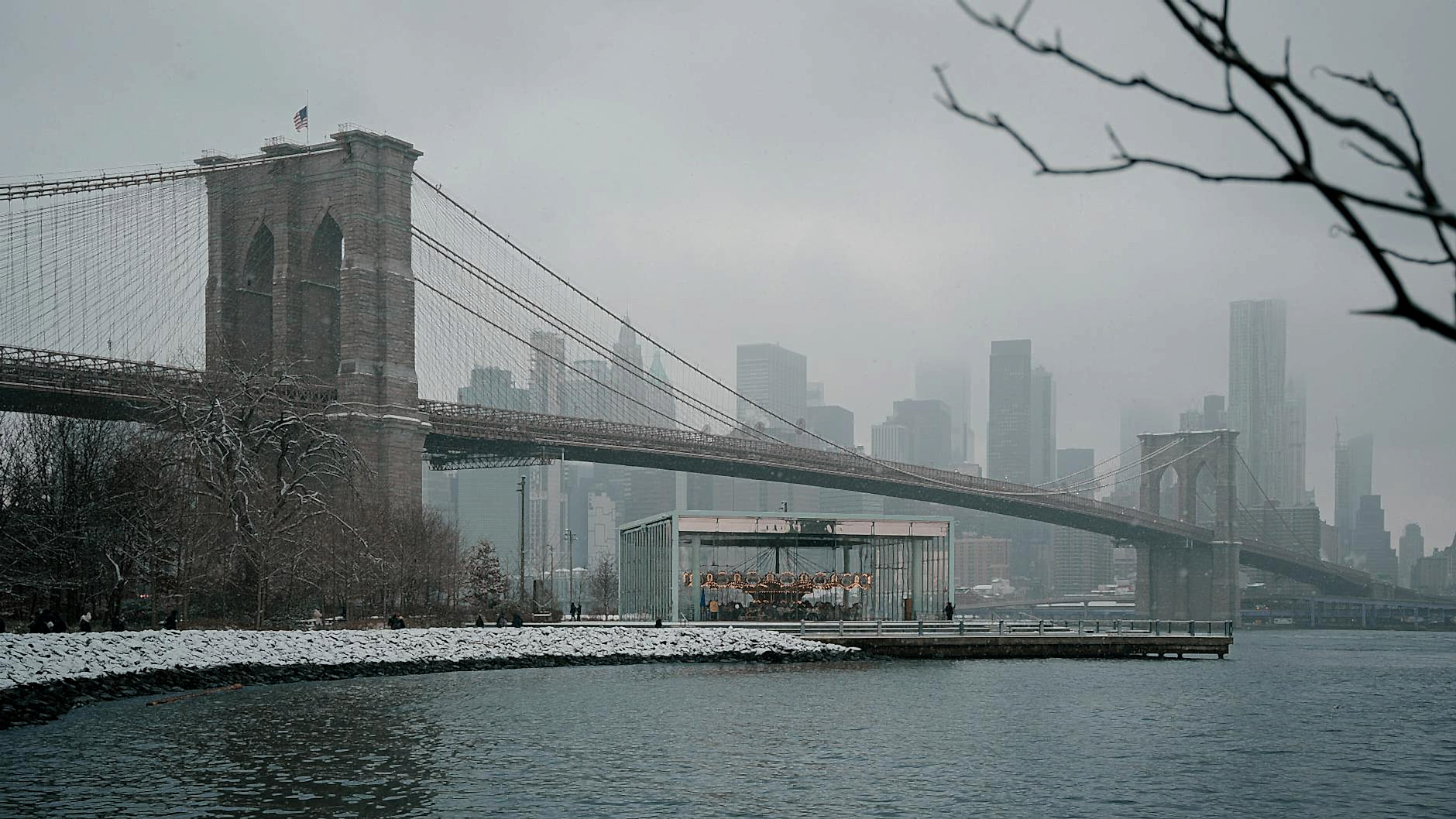
Manhattan’s rental market continues to squeeze tenants as available apartments dropped for the sixteenth consecutive month, keeping vacancy rates near historic lows and rents elevated heading into the traditionally slower winter season.
December data from Corcoran shows just 5,680 active listings across Manhattan, down 5% from November and marking more than a year of steady inventory decline. Rents remain 7% above year-ago levels despite some seasonal softening, reflecting persistent demand in a borough where far more people want to live than there are apartments to house them.
“We are seeing some relief at the margins, but the fundamental issue hasn’t changed,” said Gary Malin, chief operating officer at Corcoran. “There simply aren’t enough apartments in Manhattan to meet demand.”
Vacancy rates hover just above 2%, among the lowest December readings in recent years. In a balanced market, vacancy rates typically sit between 5% and 6%, giving tenants meaningful choices when apartment hunting.
The tight market has hit renters across all price points. Studios that rented for $2,500 two years ago now command $2,900 or more. Two-bedrooms in neighborhoods like the Upper West Side and Chelsea routinely exceed $5,000, putting them out of reach for many middle-class families.
Doorman buildings have been particularly competitive, posting their strongest December leasing activity in five years. Tenants appear willing to pay premium rents for amenities like security, package rooms, and fitness centers that have become priorities in the post-pandemic market.
The dynamics differ somewhat in Brooklyn, where leasing surged to its highest December total since 2020. The borough recorded 946 signed leases last month, up 16% from the same period last year, driven largely by demand for smaller, more affordable units.
“Brooklyn is where the value-conscious renter goes,” said Jonathan Miller, president of appraisal firm Miller Samuel. “Manhattan gets the headlines, but Brooklyn is where the growth is.”
Brooklyn rents have also risen, but the median remains below Manhattan levels, making the borough attractive to young professionals and families who have been priced out of their preferred Manhattan neighborhoods.
The supply crunch reflects multiple factors: slow construction of new rental buildings, conversion of units to condos, and the continued impact of the 2019 rent stabilization reforms that have discouraged some landlords from returning vacant apartments to the market.
Mayor Adams’ “Manhattan Plan,” announced earlier this year, aims to add 100,000 new homes over the next decade through transit-oriented development and office-to-residential conversions. But even aggressive building targets will take years to meaningfully impact inventory levels.
For now, the market favors landlords and those tenants fortunate enough to have locked in long-term leases at lower rates. Rent-stabilized tenants, who make up roughly half of Manhattan’s rental stock, have seen more modest increases governed by the Rent Guidelines Board.
The incoming Mamdani administration has promised to push for stronger tenant protections and freeze rent increases in stabilized apartments. But market-rate renters will continue to face competitive conditions that show few signs of easing.
Real estate analysts expect inventory to remain tight through 2026, with new construction failing to keep pace with population growth and job creation. Wall Street’s recovery has been particularly strong, bringing workers back to Manhattan and increasing competition for apartments near financial district offices.
“Anyone hoping for a renter’s market anytime soon is going to be disappointed,” said Miller. “The fundamentals all point to continued tightness.”
For the thousands of New Yorkers whose leases will come up for renewal in the coming months, that tightness means difficult choices: pay substantially more, move to a less desirable neighborhood, or leave the city entirely.