
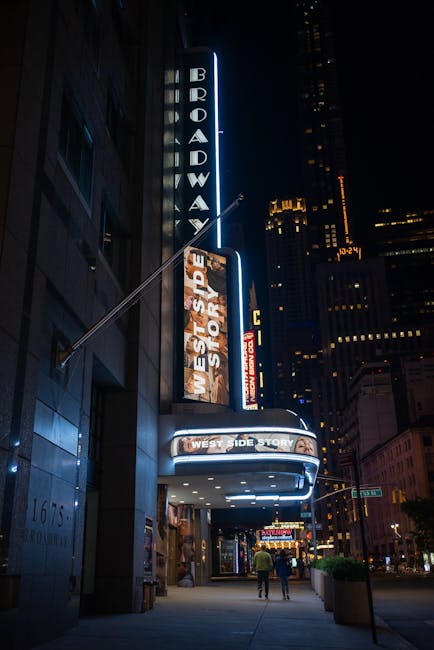
The lights dimmed at the Bernard B. Jacobs Theatre on Tuesday night, and for the next two hours and forty minutes, a sold-out crowd experienced Stephen Sondheim’s “Company” as though hearing its sophisticated score and bittersweet observations about love and commitment for the first time.
This latest revival, directed by Ivo van Hove and featuring a cast led by Tony winner Adrienne Warren, opened to the kind of rapturous response that suggests another long run for a musical that has now been produced on Broadway four times since its 1970 premiere.
The production follows the gender-swapped concept introduced in the 2018 London revival, which later transferred to Broadway in 2021. Warren plays Bobbie, a single woman approaching her 35th birthday who must contend with the well-meaning but invasive advice of her married friends while questioning whether partnership is something she truly wants.
From the opening notes of “Company,” performed by the ensemble with choreography that transforms the stage into a chaotic cocktail party, the production establishes its contemporary credentials. Video screens display text messages and social media notifications, while the minimalist set shifts seamlessly between apartments, bars, and the interior landscapes of Bobbie’s anxious mind.
Warren, best known for originating the role of Tina Turner in “Tina: The Musical,” brings a vulnerability and quiet intensity to Bobbie that differs markedly from Patti LuPone’s more assertive interpretation in the previous Broadway run. Her “Being Alive,” the show’s emotional climax, built from an almost whispered beginning to a full-throated declaration that brought the audience to its feet.
The supporting cast delivers uniformly strong performances, with particular standouts including Jeremy Jordan as the commitment-phobic Jamie, Renee Elise Goldsberry as the acerbic Sarah, and Lin-Manuel Miranda in a surprise cameo as the befuddled minister in the wedding sequence.
Van Hove’s direction strips away much of the traditional staging associated with “Company,” replacing it with a more fluid, emotionally direct approach. Scenes overlap and interrupt each other, reflecting the fragmented way we experience relationships in the digital age. Characters who would traditionally exit remain onstage, observers to moments they should not witness.
This approach will not satisfy purists who prefer the more traditional staging of previous productions. Several audience members could be heard murmuring confusion during transitions that dispensed with conventional scene breaks. But for those willing to engage with van Hove’s vision, the production offers fresh insights into material that might otherwise feel overly familiar.
Sondheim’s score, orchestrated here by Joel Thompson with a chamber ensemble of just 12 musicians, sounds remarkably contemporary. Songs like “Another Hundred People” and “Getting Married Today” retain their wit and precision while gaining new resonance in a New York where the anxieties of modern life have only intensified since the musical’s premiere.
The production also benefits from updated book revisions by George Furth, working with dramaturg Anne Cattaneo before his death in 2008. References to cell phones, dating apps, and the gig economy replace outdated jokes about answering machines and secretaries without violating the essential spirit of the original.
At intermission, the lobby buzzed with the animated conversation that signals a production has struck a nerve. Longtime Sondheim devotees debated whether the gender swap deepened or diminished particular scenes. Younger audience members, many experiencing “Company” for the first time, praised its relevance to their own struggles with intimacy and independence.
The production runs approximately 2 hours and 40 minutes including intermission. Tickets are available through March 2026, with premium seats running as high as $350 for weekend performances. A digital lottery offers $39 tickets for each performance.
For Broadway, which has seen a mixed season of new productions, the success of this “Company” revival provides evidence that the musical theater canon still holds power when approached with imagination and respect. Sondheim, who died in 2021, would likely have appreciated the intelligence of this interpretation, even as he might have quibbled with some of van Hove’s more radical choices.
As the audience filed out onto West 45th Street, still humming “Being Alive,” the sense was unmistakable that this “Company” had joined the select company of productions that define their moment while honoring their origins.