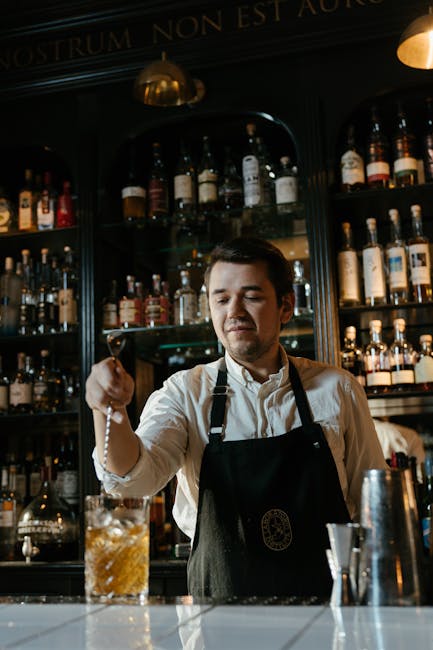
The first week of January traditionally brings empty bar stools and anxious bartenders, as millions of Americans undertake the annual ritual of Dry January. But across New York City, a growing number of establishments are discovering that sober customers still want to go out, socialize, and drink something more interesting than sparkling water.
The result is a mocktail revolution that has transformed the non-alcoholic drink from afterthought to centerpiece. Bartenders who once viewed mocktails as a nuisance now compete to create zero-proof cocktails that stand on their own merits.
“Five years ago, if someone asked for a mocktail, I would make them something sweet and embarrassing,” said James Chen, head bartender at Dead Rabbit in Manhattan’s Financial District. “Now we have an entire section of our menu dedicated to non-alcoholic drinks, and they are some of the most complex things we make.”
Dead Rabbit’s “Reformed Character” features seedlip grove, elderflower, citrus, and house-made bitters, delivering the botanical complexity of a gin cocktail without the alcohol. At $14, it costs the same as many of the bar’s spirited offerings, reflecting the labor and ingredients involved.
The sober curious movement, which encourages people to examine their relationship with alcohol without requiring total abstinence, has driven much of the demand. A 2024 survey by drinks research firm IWSR found that 35 percent of American adults now identify as sober curious, up from 21 percent in 2019.
For bars, the trend presents both opportunity and challenge. Non-alcoholic drinks typically generate lower margins than alcohol, and some purists resist the idea of visiting a bar without drinking.
“There is still stigma,” acknowledged Ivy Mix, co-owner of Leyenda in Brooklyn. “Some people feel weird ordering a mocktail. Part of our job is making them feel welcome, making it clear that a great night out does not require alcohol.”
Leyenda’s January menu includes a tamarind and hibiscus agua fresca that channels the bar’s Latin American influences, and a cucumber tonic with homemade falernum syrup that evokes tropical cocktails without the rum.
The non-alcoholic spirits category has matured significantly, giving bartenders better tools. Brands like Seedlip, Lyre’s, and Monday Distillery produce sophisticated zero-proof alternatives to gin, whiskey, and aperitifs. While they cannot replicate the exact experience of alcohol, they provide flavor foundations that make complex mocktails possible.
“The products have gotten so much better,” said Julia Momose, a spirits consultant who has advised several New York bars on non-alcoholic programs. “Five years ago, you were basically working with fruit juices and syrups. Now there are dozens of quality non-alcoholic spirits that give bartenders real options.”
Some establishments have gone further, opening as dedicated non-alcoholic bars. Getaway in Greenpoint serves only zero-proof drinks in a space designed to feel like a traditional cocktail lounge. The bar has proved popular with the sober community, pregnant women, designated drivers, and the simply curious.
“We wanted to create a space where not drinking is the norm,” said owner Sam Thonis. “You do not have to explain yourself here. You just order what you want.”
Getaway’s menu runs from $10 to $15 per drink, competitive with cocktail bars in the neighborhood. The drinks showcase the creativity possible without alcohol: a clarified banana milk punch, a smoked tea ceremony, a carbonated apple cider with spices.
For Dry January participants, the options mark a significant improvement over previous years. Those attempting sobriety no longer face a choice between staying home and nursing a soda at a bar while friends drink around them.
“I did Dry January last year and hated going out,” said Brooklyn resident Marcus Williams, 32. “This year, I have already been to three bars. I am drinking interesting things and having real experiences. It does not feel like I am missing anything.”
The economic potential has caught the attention of investors. Non-alcoholic beer, wine, and spirits sales grew 31 percent in 2024, according to Nielsen data. Major alcohol companies have launched their own zero-proof lines, validating the market’s durability.
For New York’s bar industry, adapting to sober curious customers may prove essential as drinking rates decline among younger demographics. Gen Z consumes 20 percent less alcohol than millennials did at the same age, suggesting that demand for non-alcoholic options will only grow.
“The bar business is changing,” Chen said. “We can fight it, or we can serve the customers who are actually coming through our doors. Smart operators are choosing to adapt.”
As Dry January continues, participating New Yorkers can find sophisticated options across the city. Most cocktail bars now offer at least a few mocktails, while dedicated non-alcoholic establishments provide entirely sober environments.
The days of settling for cranberry and soda appear to be over.