
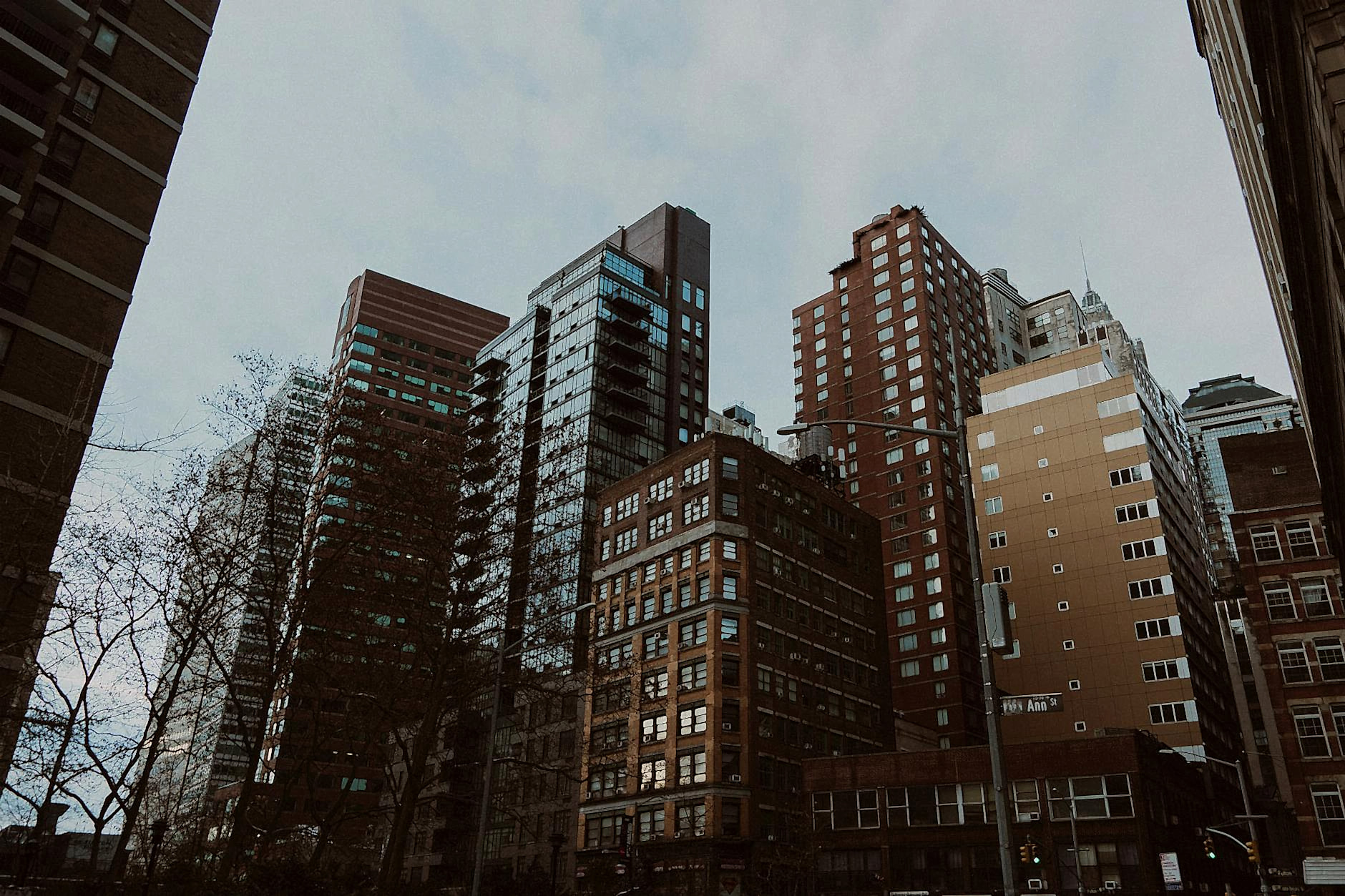
A 22-story luxury condominium tower on the Williamsburg waterfront has unveiled what developers are calling New York City’s first private outdoor ice skating rink, an amenity that captures both the ambition of the borough’s high-end development boom and the widening gap between newcomers and longtime residents.
One Williamsburg Wharf, developed by Naftali Group and designed by Brandon Haw Architecture, opened its rooftop ice rink this month for exclusive use by the building’s residents. The 2,000-square-foot skating surface offers views of the Manhattan skyline and is maintained by full-time staff throughout the winter season.
“This is the kind of amenity that defines luxury living in New York,” said Miki Naftali, chairman of Naftali Group. “Our residents wanted something unique, something that makes this building feel like a community.”
Units in the building start at $1.5 million for studios and exceed $10 million for penthouses. The ice rink joins a roster of amenities that includes a private pool, fitness center with Peloton equipment, children’s playroom, and a lounge designed by a Michelin-starred chef.
The announcement drew mixed reactions in a neighborhood that has undergone dramatic transformation over the past two decades. What was once a working-class enclave of Polish and Latino families has become synonymous with young professionals, artisanal coffee shops, and buildings that few original residents can afford.
“A private ice rink? That’s absurd,” said Patricia Kowalski, who has lived in Williamsburg since the 1980s. “My grandparents came here because they could afford it. Now they’re building playgrounds for millionaires.”
Nearby, the public McCarren Park ice rink offers skating for $9 per session, drawing families from across northern Brooklyn. The juxtaposition of a free public amenity with an exclusive private version has become a symbol of the neighborhood’s economic divide.
Development boosters counter that luxury buildings generate tax revenue and jobs while adding to the overall housing supply. They point to the mandatory affordable housing units included in many projects as evidence that new construction benefits all income levels.
“Every new building creates construction jobs, building staff jobs, and generates property taxes that fund city services,” said James Whelan, president of the Real Estate Board of New York. “Amenities like this attract buyers who might otherwise leave the city entirely.”
One Williamsburg Wharf is part of a broader development corridor along the East River that has transformed the Brooklyn waterfront. Domino Park, built on the site of a former sugar refinery, sits nearby and has become one of the borough’s most popular public spaces.
One Domino Square, another tower in the development, was the best-selling residential building in Brooklyn in 2025, closing more than 100 sales. The pace of transactions suggests strong demand for luxury waterfront living despite high prices and rising interest rates.
But critics say the development pattern is fundamentally reshaping who can live in Williamsburg. A recent analysis found that median household income in the neighborhood has more than doubled since 2000, while the share of Latino and Polish residents has dropped precipitously.
“This isn’t about one ice rink,” said Stephanie Sosa, a housing advocate with Brooklyn Community Board 1. “It’s about an entire neighborhood becoming a gated community. The rink is just the most obvious symbol.”
The controversy reflects broader tensions over development in New York City. Mayor Adams’ administration has pushed for more construction to address the housing shortage, but many residents worry that new buildings serve wealthy transplants rather than working-class families.
City Council Member Lincoln Restler, who represents Williamsburg, has pushed for stronger affordability requirements in new developments. “We need housing that working people can actually afford,” he said. “Instead we’re getting private ice rinks.”
For residents of One Williamsburg Wharf, the rink represents exactly what they paid for: exclusivity, convenience, and a lifestyle that sets them apart. Whether that vision of urban living is compatible with the diverse, accessible city that many New Yorkers cherish remains an open question.
The rink will remain open through March, weather permitting. Visitors hoping to skate will need to try McCarren Park instead.