
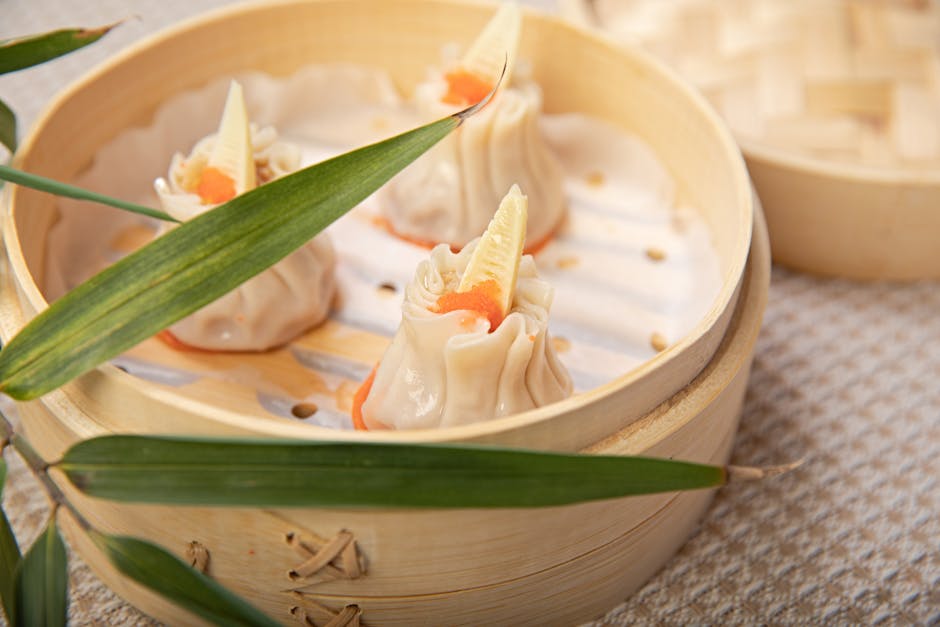
December in New York means holiday parties, prix fixe menus, and restaurant reservations that require planning weeks in advance. But slip a few blocks south of the seasonal madness, and Chinatown offers an alternative: some of the city’s best dim sum, served in bustling dining rooms that care more about the food than the festivities.
This guide to a Chinatown dim sum crawl will take you through four essential stops, each offering distinct styles and specialties. Come hungry, bring cash for the smaller spots, and prepare to eat very well for far less than you would spend almost anywhere else in Manhattan.
Jing Fong (20 Elizabeth Street)
Start at Jing Fong, the grand dame of Chinatown dim sum. The cavernous third-floor dining room, which seats over 800, has hosted generations of New Yorkers for weekend brunch. After a pandemic scare that briefly shuttered the restaurant, Jing Fong returned in 2023 with a renovated space that retains its banquet-hall grandeur.
The rolling cart service has been supplemented with menu ordering, but the classics remain unchanged. The har gow (crystal shrimp dumplings) feature delicate wrappers that showcase plump shrimp. Char siu bao (barbecue pork buns) arrive steaming and slightly sweet. The turnip cake, pan-fried until crispy on the outside, delivers satisfying richness.
Arrive before 11 a.m. on weekends to minimize wait times. Weekday lunch service offers the same quality with significantly shorter lines.
Nom Wah Tea Parlor (13 Doyers Street)
A few blocks away, Nom Wah occupies a special place in Chinatown history. Operating continuously since 1920, it is the oldest dim sum parlor in the neighborhood, housed in a narrow storefront on the iconic Doyers Street curve.
The menu here leans traditional, with some of the best egg rolls in the city: hand-rolled, crispy, and mercifully free of the cabbage filler that plagues lesser versions. The original egg custard tarts, baked in flaky pastry, justify the inevitable wait for a table.
Nom Wah’s vintage aesthetic has made it a social media favorite, which can mean crowds even on weekdays. Counter seating goes faster than tables, and the upstairs dining room absorbs overflow during peak hours.
Oriental Garden (14 Elizabeth Street)
Seafood is the specialty at Oriental Garden, where tanks of live fish, crab, and lobster greet diners at the entrance. The dim sum menu includes standards, but regulars know to ask about the daily seafood preparations.
Salt and pepper squid, fried to crispy perfection, belongs on every table. Steamed fish with ginger and scallion showcases whatever is freshest from the tanks. For a splurge, the lobster with ginger and scallion noodles rivals versions at restaurants charging twice the price.
Service can be brusque, a reminder that you are here for the food rather than the ambiance. Come prepared to advocate for your order and accept that efficiency matters more than politeness.
Golden Unicorn (18 East Broadway)
End the crawl at Golden Unicorn, another massive hall that excels at variety. Multiple floors of dining rooms mean you will almost never wait long, and the cart parade seems endless during peak hours.
This is the spot for adventurous eating. Chicken feet in black bean sauce reward those willing to try them. Tripe with ginger offers textural complexity. For the less daring, the shrimp rice noodle rolls and steamed spare ribs represent dim sum at its most accessible.
Golden Unicorn also does banquet dining exceptionally well, making it a solid choice for group celebrations that might otherwise default to tourist traps.
Planning Your Crawl
The four restaurants span roughly 10 blocks, an easy walk that allows for digestion between stops. Most dim sum service runs from approximately 10 a.m. to 3 p.m., though some spots offer dinner dim sum with modified selections.
Weekday visits avoid the weekend crush but may limit variety, as some items only roll out when crowds justify the production. Saturday mornings between 10 and 11 a.m. offer the best balance of selection and manageable lines.
Budget approximately $25 to $40 per person for a full meal at any single restaurant, or less if you are crawling and eating lightly at each stop. Cash remains preferred at smaller spots, though all four accept cards.
One final tip: do not fill up on the first stop. Dim sum rewards grazing, and the temptation to over-order at a single location means missing the distinct pleasures each restaurant offers.
Chinatown’s dim sum tradition spans more than a century and shows no signs of fading. While holiday madness consumes the rest of Manhattan, these dining rooms continue doing what they have always done: serving exceptional food to those wise enough to seek it out.