
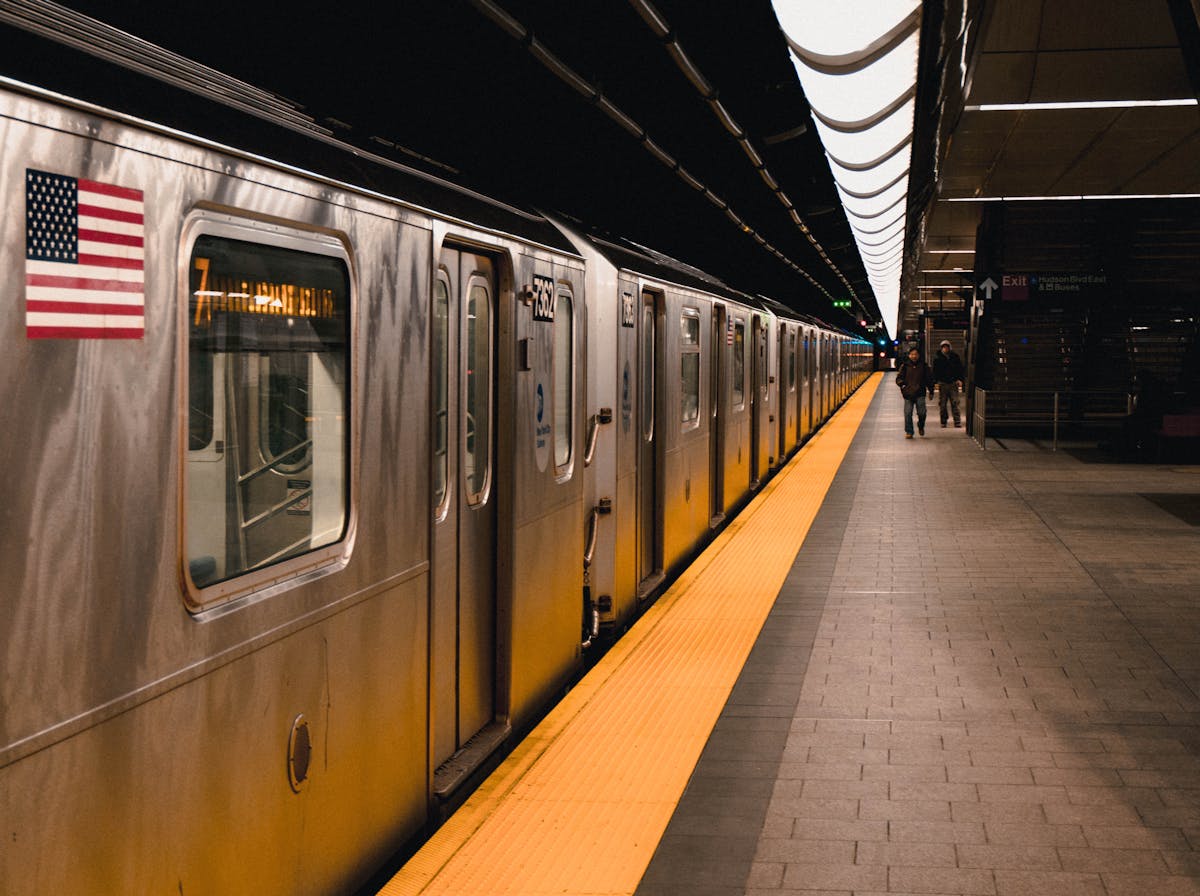
New York’s subway system is on pace for its safest year in a generation, with major crimes down more than 5% and ridership hitting new post-pandemic highs, Governor Kathy Hochul announced Thursday.
With two weeks remaining in 2025, subway crime has dropped to the lowest level in 16 years. Overall major crime in the transit system is down 5.2% from 2024 and 14.4% from 2019, putting this year on track to be the second safest non-pandemic year in recorded history, eclipsed only by 2009.
“The data is clear: our subway is safer than it has been in years,” Hochul said at a press conference at the MTA’s headquarters in Lower Manhattan. “The investments we’ve made in police presence, technology, and mental health services are paying off.”
The governor announced that New York State will commit an additional $77 million for enhanced subway patrols in 2026. The funding will support the deployment of NYPD officers in areas of greatest need and largest impact, continuing a strategy that has kept uniformed personnel visible on platforms and trains throughout the system.
Ridership has responded to the improved safety conditions. The seven-day rolling average of subway ridership reached a post-pandemic record for the third time in two weeks on Thursday, December 11, with 4.654 million customers riding the system that day.
The numbers represent a remarkable turnaround from early 2022, when a series of high-profile attacks created a perception of danger that drove riders away. Mayor Adams and Governor Hochul responded with the “Cops, Cameras, Care” initiative, which surged additional NYPD and MTA Police Department officers into the system and funded the installation of cameras in every subway car.
“Every subway car now has cameras, every station has improved lighting, and every rider can see uniformed officers throughout their commute,” said MTA Chair Janno Lieber. “That visibility matters.”
Platform barriers have been installed at 115 stations, providing physical protection at locations where riders have fallen or been pushed onto tracks. LED lighting upgrades have been completed at the final stations on the list.
Transit officials emphasized that the improved safety conditions are particularly significant given higher ridership levels. More riders means more opportunities for crime, making the per-capita crime reduction even more impressive.
The enhanced safety has been especially notable during late-night hours, when crime has historically been most prevalent. Overnight ridership has grown faster than daytime ridership in recent months, suggesting commuters are increasingly comfortable using the subway at all hours.
Police have focused resources on repeat offenders and individuals with known histories of transit violence. The deployment of mental health specialists at major transit hubs has also helped de-escalate situations before they turn violent.
But advocates caution that enforcement alone cannot address the root causes of subway incidents. Many involve individuals with untreated mental illness or substance abuse disorders who need services that remain inadequate.
“Arrest numbers are down because crisis intervention is up,” said Sarah Martinez, executive director of the Riders Alliance. “The real test is whether we can maintain these gains while investing in the mental health system.”
The safety improvements come as the MTA prepares for potential federal funding cuts. The Trump administration has threatened transit agencies in cities with congestion pricing, putting New York’s counterterrorism funding at risk.
Mayor Adams has sued to protect $12 million in federal grants that flow through the MTA to the NYPD for subway security. The legal battle could affect the city’s ability to maintain enhanced patrol levels.
For now, riders are experiencing a subway system that feels substantially safer than it did three years ago. The challenge will be sustaining those gains as federal politics and budget pressures create uncertainty about future funding.
“We’ve proven what’s possible when state and city work together,” Hochul said. “We’re not going to let up.”