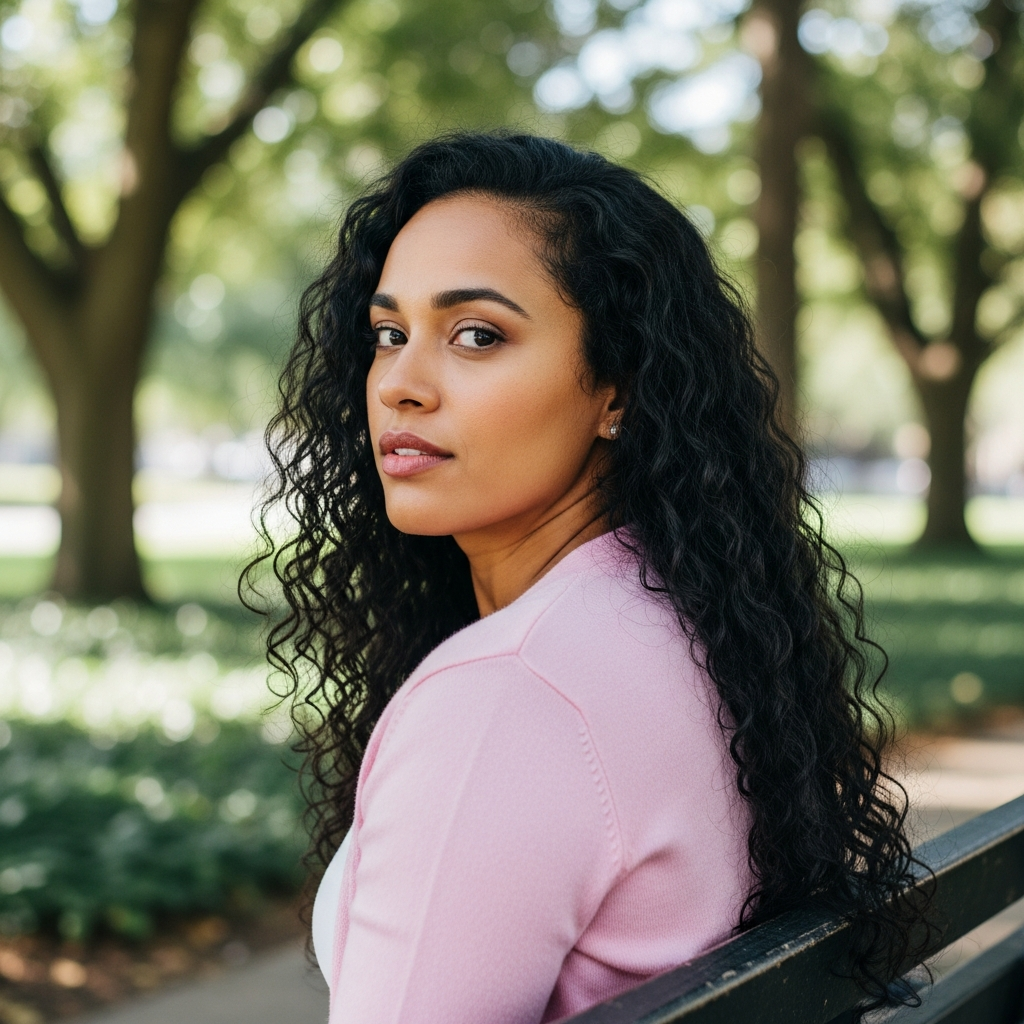
On a chilly November morning, Dolores Hernandez walks the paths of the garden she started 18 years ago on a vacant lot in Mott Haven. The tomatoes are gone now, the squash harvested, but kale and collard greens still push toward the weak autumn sun.
“People think gardening ends when the weather turns,” she says, bending to inspect a row of winter lettuce. “But there is always something growing if you know where to look.”
At 72, Hernandez has become one of the most influential figures in the South Bronx’s urban agriculture movement. The vacant lot she claimed in 2007 was the first of seven community gardens she has helped establish across Mott Haven and Port Morris, transforming neglected spaces into sources of fresh produce, community gathering, and neighborhood pride.
Her path to becoming a gardening advocate began with a personal crisis. In 2006, her husband of 34 years died suddenly of a heart attack. Depression followed, and Hernandez found herself struggling to leave her apartment.
“I was disappearing,” she recalls. “My grandchildren would visit and I would just sit in my chair. I was there but not really there.”
A neighbor suggested she help clear a lot across the street that had become a dumping ground. The work was backbreaking, but Hernandez found that the physical labor quieted her mind. When the lot was finally clean, she convinced the neighbor to help her plant vegetables.
“That first tomato I grew,” she says, “it tasted like something I had never eaten before. Like hope, maybe.”
Word spread through the neighborhood. Residents who had complained about the dumping started asking if they could help. Within two years, the lot had been transformed into a thriving garden with 30 raised beds, a small greenhouse, and a children’s play area.
The success attracted attention from GreenThumb, the city’s community gardening program. Officials offered Hernandez training and connected her with other vacant lot owners willing to donate land. She began mentoring other would-be gardeners, sharing techniques she had learned through trial, error, and late-night YouTube sessions.
Today, her network of gardens produces an estimated 15,000 pounds of fresh produce annually. Most is distributed free to garden members and their families. Surplus goes to local food pantries and senior centers.
“In the South Bronx, fresh vegetables are a luxury for many people,” says Dr. Amanda Chen, a public health researcher at Albert Einstein College of Medicine who has studied the gardens’ impact. “What Dolores has built addresses food insecurity while also creating social connections that improve mental health.”
The gardens operate on a simple membership model. Families receive a raised bed to tend as they choose, in exchange for contributing four hours monthly to common areas. An annual fee of $25 covers seeds and tools, though Hernandez waives it for anyone who cannot afford to pay.
“I never turn anyone away,” she says. “The garden is not a business. It is a family.”
Her extended garden family now includes more than 200 regular members across the seven sites. Many are recent immigrants who grew up farming in their home countries. Others are longtime Bronx residents rediscovering skills their grandparents possessed.
Carlos Mendez, 45, started gardening at Hernandez’s original location three years ago after losing his restaurant job during the pandemic. He now manages one of the satellite gardens and teaches composting workshops.
“Dolores saw something in me I did not see in myself,” he says. “She handed me seeds and said, make something grow. Now I have a purpose.”
The gardens face ongoing challenges. Hernandez spends hours navigating city bureaucracy, negotiating with property owners, and fundraising for basic supplies. Vandalism occasionally damages plots. Climate change has altered growing seasons in ways that confound her decades of experience.
And the neighborhoods are changing rapidly. Development pressure has intensified across the South Bronx as Manhattan prices push families deeper into the outer boroughs. Several gardens operate on lots that developers would love to acquire.
“We have some protection because we are registered with GreenThumb,” Hernandez explains. “But nothing is guaranteed. Every year I worry that someone will decide a building is more valuable than what we have created.”
For now, she focuses on what she can control. This winter, she plans to add a heated greenhouse to the original garden, allowing year-round production. A youth program launching in spring will teach teenagers farming skills and environmental science.
Her greatest satisfaction comes from watching the next generation engage with the land. Her own grandchildren, now teenagers, have grown up in the gardens. The oldest is studying agricultural science at Cornell.
“When I started this, I was trying to save myself,” Hernandez reflects as she locks the garden gate. “I had no idea it would become something so much bigger. But that is what happens when you plant a seed. You never really know what it might become.”
The Mott Haven Community Garden welcomes visitors by appointment. Information about volunteering and membership is available through GreenThumb NYC.