
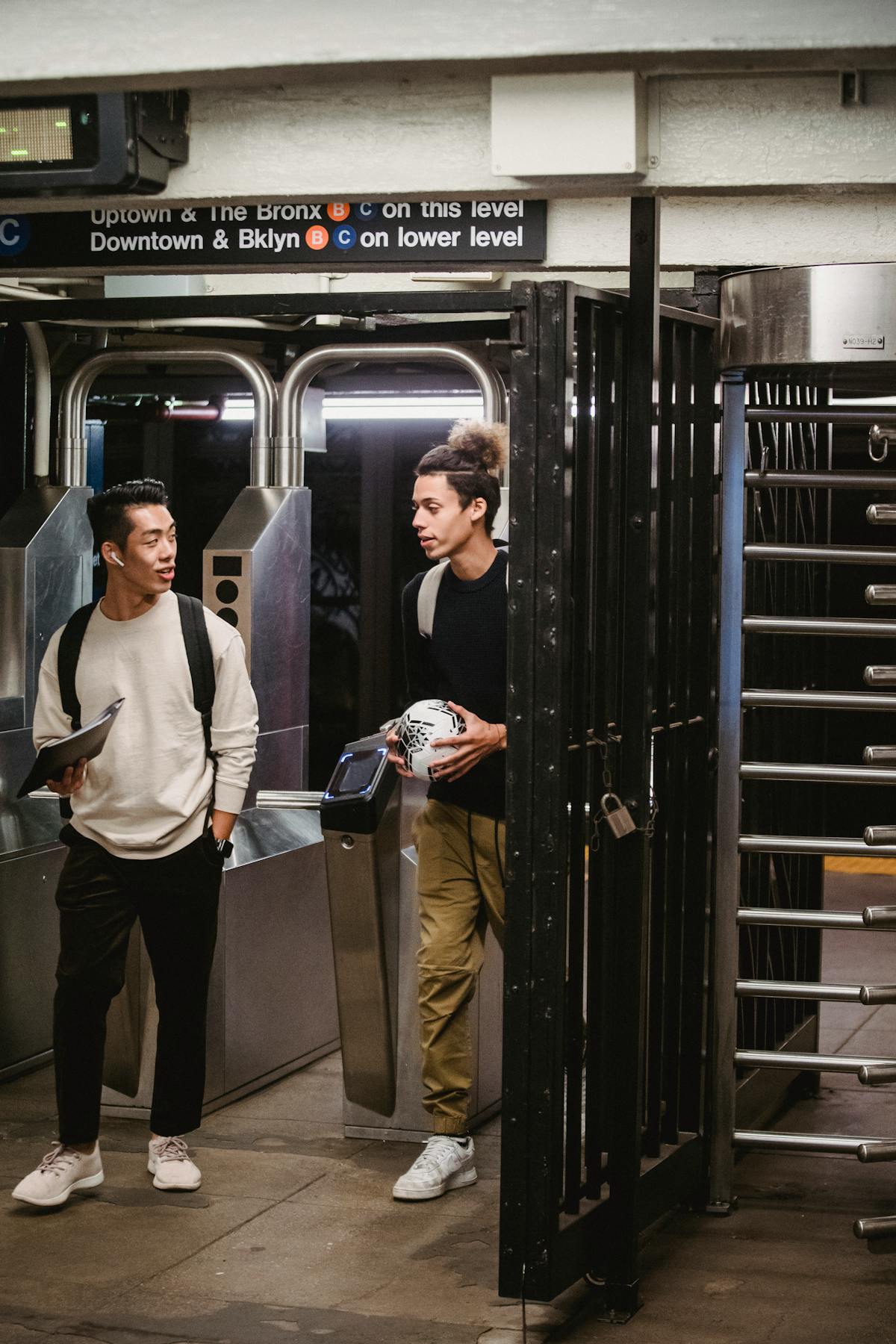
The MTA’s transition to its OMNY tap-to-pay fare system is hitting turbulence in its final weeks, with riders reporting duplicate charges, failed taps, and confusion at turnstiles as the agency prepares to retire the MetroCard at year’s end.
Beginning January 1, OMNY will be the only way to pay for subway and bus trips, ending the 30-year reign of the magnetic stripe card that became synonymous with New York City transit. But the transition has exposed glitches that the MTA is scrambling to fix before the deadline.
“I got charged three times for one trip,” said Marcus Jenkins, a Flatbush resident who commutes to Midtown daily. “I tapped, it didn’t open, I tapped again, still didn’t open, tapped a third time and finally got through. Then I checked my bank account and saw three charges.”
The MTA says it will automatically refund duplicate charges within 24 hours, but many riders report waiting longer and having to call customer service to resolve issues. The agency has added staff to handle increased call volume during the transition period.
Technical issues have been most prevalent at stations with older turnstile hardware and during peak hours when thousands of taps occur simultaneously. The MTA has deployed additional technicians to high-traffic stations to address problems quickly.
“OMNY is a major technology upgrade that will ultimately make the system more convenient for riders,” said MTA spokesperson Amanda Chen. “We’re working through the kinks and appreciate riders’ patience.”
Unlike the MetroCard, which stores fare value on the card itself, OMNY processes payments through contactless credit and debit cards, smartphones, and smartwatches. The system also offers fare capping, which gives riders unlimited rides after they spend the equivalent of a weekly pass.
The fare capping feature has been popular with regular commuters, who save money without having to commit to a weekly or monthly pass upfront. But it requires consistent use of the same payment method, which some riders have found confusing.
“I didn’t realize I had to use the same card every time,” said Sarah Okonkwo, who lives in Jamaica, Queens. “I switched between my credit card and Apple Pay and didn’t get the cap. Nobody explained that.”
The MTA has ramped up educational efforts, including station agents stationed near turnstiles to help confused riders and multilingual signage explaining how OMNY works. The agency has also distributed free OMNY cards at community events for riders who prefer a dedicated transit card over using personal payment methods.
Privacy concerns have also surfaced. Unlike MetroCards, which can be purchased anonymously with cash, OMNY links rides to payment cards that contain rider information. Advocates have questioned what data the MTA collects and how it might be used.
The MTA says it does not share individual trip data with law enforcement without a court order and does not sell data to third parties. But some riders remain skeptical.
“I liked being able to just buy a card and ride without anyone tracking me,” said Carlos Mendez, a construction worker from Mott Haven. “Now everything is connected to my bank.”
For the roughly one million daily riders who still use MetroCards, the next few weeks will require adjustment. The MTA recommends adding an OMNY-enabled payment method to smartphones or obtaining an OMNY card in advance to avoid delays at turnstiles during the busy New Year’s period.
The transition marks the end of a technology that defined New York transit for a generation. The MetroCard was introduced in 1994 and fully replaced tokens by 2003. At its peak, the system processed more than eight million swipes daily.
“The MetroCard is a piece of New York history,” said Danny Pearlstein of the Riders Alliance. “But technology moves on. What matters is that the new system works for everyone.”
Whether OMNY will achieve that goal remains to be seen. The MTA says it is confident the remaining issues will be resolved before the January 1 deadline, but regular riders are bracing for a bumpy transition.
“I’ve been swiping my MetroCard for 20 years,” said Jenkins. “Change is hard. But if they can get the double-charging sorted out, I’ll get used to it.”