
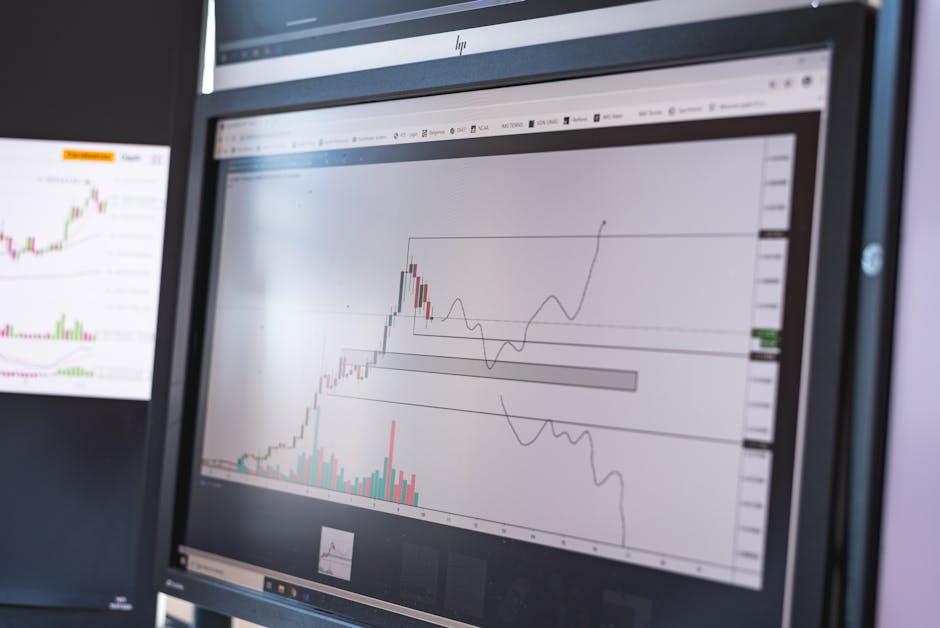
Wall Street closed out a strong week of trading Thursday as technology shares led major indices higher, extending a year-end rally that has pushed markets within striking distance of all-time records.
The S&P 500 rose 1.2 percent in the day’s session, bringing its December gain to 3.4 percent. The tech-heavy Nasdaq Composite climbed 1.8 percent, paced by advances in semiconductor and artificial intelligence stocks. The Dow Jones Industrial Average added 342 points, or 0.8 percent.
“December has historically been good to investors, but this month is shaping up to be exceptional,” said Lisa Chen, chief investment strategist at Meridian Capital. “The combination of falling inflation, strong employment, and AI-driven growth is creating a perfect storm for equities.”
Technology giants led the charge, with Nvidia jumping 4.7 percent after reporting strong demand for its AI training chips. Apple gained 2.1 percent following analyst upgrades tied to holiday iPhone sales. Microsoft and Alphabet both rose more than 2 percent.
The rally reflects growing confidence that the Federal Reserve has finished raising interest rates and may begin cutting them in 2026. Fed officials meeting next week are widely expected to hold rates steady, but market participants will scrutinize guidance for clues about the path ahead.
“The Fed pivot narrative is fully priced in at this point,” said Marcus Williams, a portfolio manager at BlackRock. “What matters now is whether the data supports it. Any surprises could trigger volatility.”
Friday brings the closely watched monthly employment report, which economists expect to show continued job growth at a moderate pace. A significantly stronger reading could complicate expectations for rate cuts, while a weak report might raise recession concerns.
Regional banks, which have struggled throughout 2025 following last year’s banking crisis, showed signs of recovery. The KBW Regional Banking Index rose 2.3 percent on the week, its best performance since July.
“There is cautious optimism that the worst is behind us for regionals,” said Jennifer Torres, an analyst at Wedbush Securities. “Deposit outflows have stabilized and credit quality remains manageable.”
Energy stocks underperformed as oil prices continued their decline. West Texas Intermediate crude fell to $72 per barrel, down from over $80 in October. Major oil companies including ExxonMobil and Chevron traded lower despite the broader market strength.
Trading volumes have begun to thin as Wall Street heads into the holiday season, a pattern that often amplifies both gains and losses. Market observers note that large moves in either direction become more likely when liquidity decreases.
For New York’s financial industry, the strong year has provided some relief after a challenging period that saw widespread layoffs and bonus cuts. Major banks have begun hinting at more generous year-end compensation after two consecutive years of reductions.
“Morale on the Street is better than it has been in a while,” said a managing director at a major investment bank who spoke on condition of anonymity. “People are not celebrating yet, but there is cautious optimism.”
The rally has also boosted the city’s tax revenues, which depend heavily on Wall Street profits and bonuses. State Comptroller Thomas DiNapoli estimates that a strong fourth quarter could add $1.5 billion to state and city coffers compared to projections.
Looking ahead, analysts remain generally bullish on the market’s prospects through year-end. December has historically been one of the strongest months for stocks, with the so-called “Santa Claus rally” often lifting prices in the final weeks.
“The path of least resistance is higher,” Chen said. “That does not mean we cannot have pullbacks, but the fundamental backdrop supports continued gains.”
The market resumes trading Friday morning at 9:30 a.m., with investors awaiting the employment report at 8:30 a.m. Futures trading Thursday evening suggested a mildly positive open.
For retail investors navigating the holiday season, advisors recommend maintaining perspective despite the recent volatility.
“Do not let short-term moves drive long-term decisions,” Williams cautioned. “December headlines can be dramatic, but what matters is where we are in five or ten years.”